
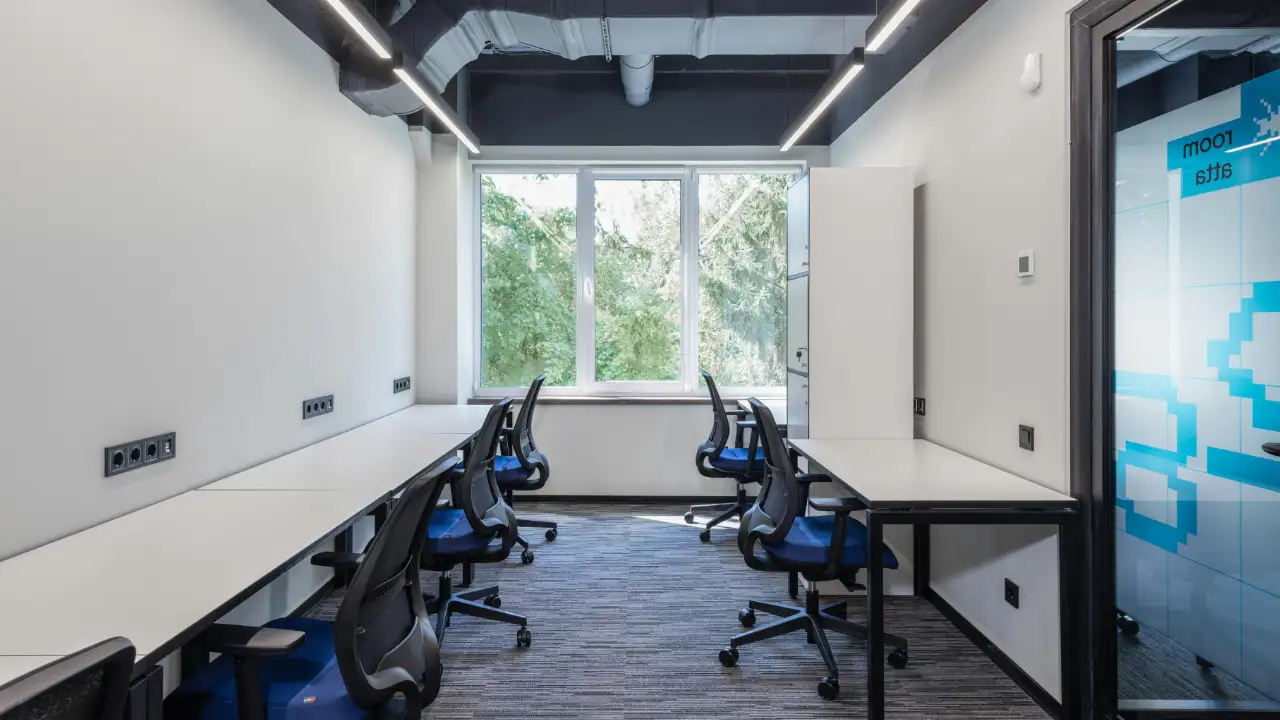
Understanding whether office space is required for an L-1 visa can significantly shape how a company approaches its expansion into the United States. The answer is not the same for every petition, and much depends on whether the filing is for an L-1 New Office or a regular L-1 transfer.
Office Space Requirements for an L1 New Office Petition
When a company is creating a new U.S. entity or when the existing entity has operated for less than one year, immigration rules require that the business secure physical office space before submitting an L-1 New Office petition.
Why USCIS Requires a Physical Workspace
The U.S. government asks for evidence of office space because it demonstrates that the company is taking concrete steps to establish a legitimate U.S. presence. The office must be suitable for the employee being transferred, and it should also allow for the growth planned over the first year of operations. A signed lease, photos of the workspace, and a description of the facilities become key components of the filing. These items help prove that the business is positioned to operate, hire, and grow.
Office Space Rules for Regular L-1 Visa Petitions
For companies that have operated in the United States for at least one year, the office space rules are much more flexible. A regular L-1 petition does not require a new lease or proof that the business has recently secured additional space.
What USCIS Focuses on for Established Businesses
The emphasis for these filings shifts away from real estate and toward verifying the qualifying relationship between the foreign and U.S. entities. USCIS evaluates whether the employee being transferred meets the requirements for managerial, executive, or specialized knowledge duties, and whether the U.S. operations are stable enough to support that role. If the company already has a functional workspace, there is no obligation to obtain a larger or separate location solely for visa purposes.
How These Distinctions Shape Your Immigration Strategy
Understanding the difference between these two categories helps determine timing, budgeting, and documentation. A business may decide to finalize a lease before proceeding with an L-1 New Office petition, or it may find that it already qualifies for a regular L-1 filing without any changes to its physical operations. Because officers review these petitions carefully, making the right choice from the start can prevent delays and reduce the likelihood of receiving a Request for Evidence.
Moving Forward
Knowing whether you need office space for an L-1 visa is an important part of planning your U.S. expansion, but the right strategy depends on the age of the U.S. entity and the type of petition you intend to file. If you want to explore more about the L-1 visa process, you can review our library of immigration guides or register for one of our upcoming webinars. For tailored support for your specific situation, schedule a consultation with our team.