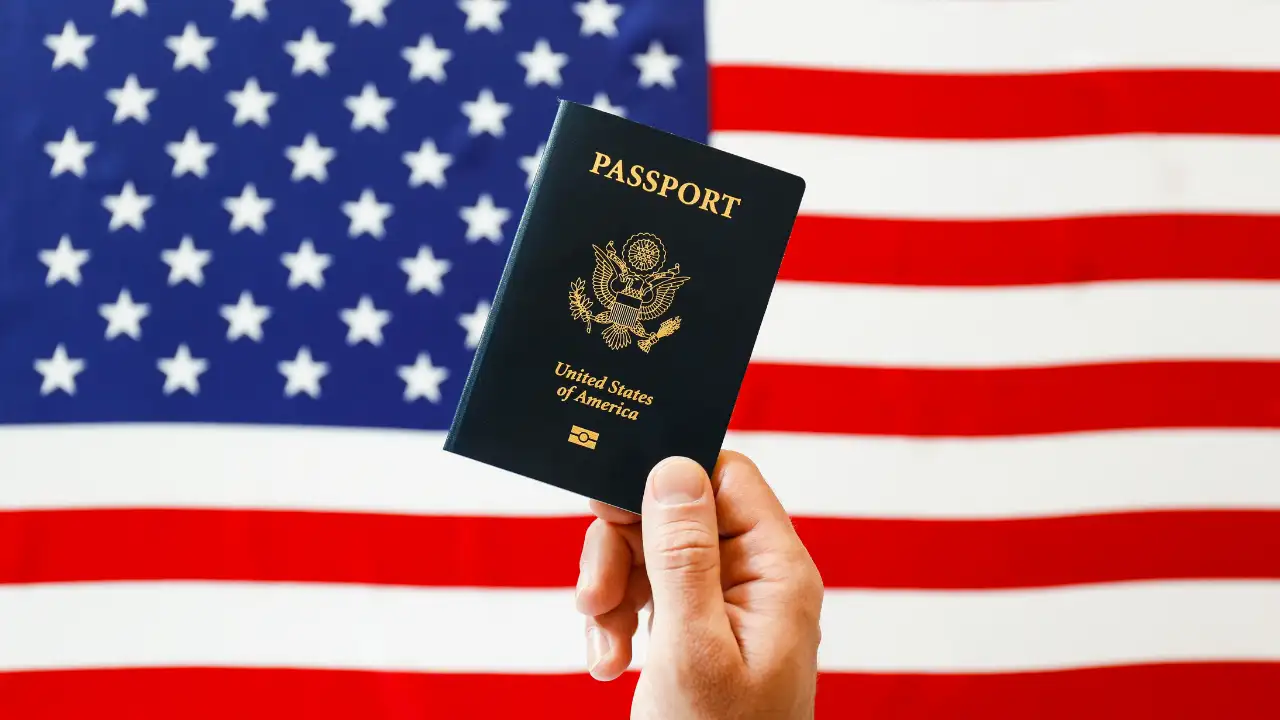
As you may have seen in the news, since entering his second term, President Trump has focused on revoking visas for many nonimmigrant visa holders. Thus far, the Department of State has reported that more than 300,000 visas have been revoked. The news reports the revocations largely relate to those with criminal records; however, clients have reported revocations for their visas for reasons such as failure to maintain status. In many instances, individuals have found that the principal visa holder’s visa was revoked, but their dependent visa was not.
So, does that mean the dependent needs to depart the U.S. too? While each situation varies, the short and conservative answer is yes.
Below we will discuss a few considerations when dealing with a visa revocation.
- Dependent status is derived from the principal, so a spouse’s visa revocation calls the dependent’s continued eligibility into question.
- Even with a valid I-94, dependents are advised to depart the U.S. promptly after the principal’s visa is revoked to protect future immigration options.
- Visa revocation can lead to deportation proceedings, and enforcement priorities under President Trump create additional uncertainty for nonimmigrant families.
Dependent Visa Holders and Principal Visa Holders
What is a dependent visa holder?
The dependent visa holder is the spouse or child (under 21) of the principal visa holder. A dependent classification is derived from the principal’s status.
What is the principal visa holder?
A principal visa holder is the main applicant in a nonimmigrant petition. The main applicant is the individual who must demonstrate to the government that they meet the specific eligibility requirements of the visa classification they are seeking.
What is a visa revocation?
Visa revocation is governed by INA 221(i) and 22 CFR 41.122, which authorize consular officers, the Secretary of State, or certain Department officials to revoke nonimmigrant visas at their discretion. The revocation can be provisional, pending eligibility determination, or final, and can occur whether the visa holder is inside or outside the United States.
Do Dependents Need to Leave the U.S. After a Spouse’s Visa Revocation?
Why do I need to depart the US if my spouse’s visa is revoked?
As explained above, a dependent’s classification is derived from the principal’s status. For example, you as the dependent would never have been granted the visa had the principal visa holder not been granted their visa. If the principal’s visa is revoked, then the revocation may call into question the dependent’s continuing eligibility.
When clients find themselves in this situation, we recommend the spouse and dependent depart the U.S. as soon as possible.
This is for a few reasons: 1) it is likely that the dependent’s visa will also be revoked 2) the principal’s loss of eligibility may affect the dependent’s continuing eligibility for derivative classification and 3) if you subsequently try to reapply for a visa, and the government sees that you remained the U.S., despite the spouse’s revocation, the officer may view this as a negative discretionary factor which may impact your future visas.
My I-94 is still valid, even though my spouse’s visa was revoked. Does that mean I can stay in the U.S.?
When a nonimmigrant enters the U.S. the U.S. Customs and Border Patrol will issue an I-94. The I-94 is the admission record that serves as proof of your lawful visitor status for non-U.S. citizens and non-permanent residents.
The I-94 contains admission details like the type of visa you hold, your name, your date of birth, your entry date and your admit until date.
If you currently hold a valid I-94, you are authorized to stay in the United States through the expiration date of that I 94, even if your spouse’s visa was revoked. However, given the dependent’s status is derived from the principal’s status, we recommend to clients that they make plans to depart the U.S. as soon as possible.
Can a Visa Revocation Lead to Deportation Proceedings?
As mentioned above, there is a likelihood that your dependent visa will also be revoked as well. If your visa is revoked, the law does allow the government to initiate deportation proceedings after a visa revocation.
While issuing the Notices to Appear for those with a revoked visa is unprecedented, there is some uncertainty as to what the government will do in the future especially with Trump’s administration, which has focused heavily on enforcement
Get Help With a Dependent Visa or Visa Revocation
If you have a concern regarding a revocation of your visa, or the status of dependent and their visa, please feel free to reach out to Scott Legal and one of our experienced immigration attorneys. Scott Legal has assisted clients in addressing visa revocations, and obtaining new visas after their prior visa was revoked.