
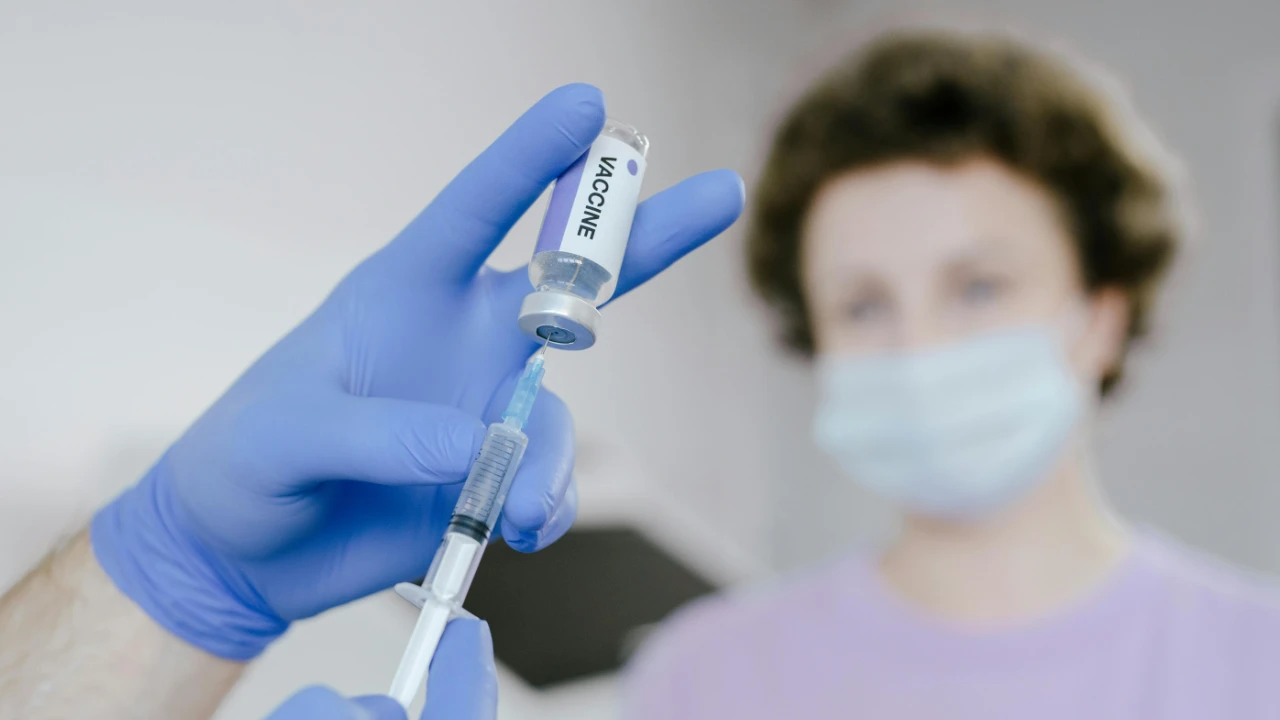
When applying for a green card through Adjustment of Status, U.S. immigration law requires applicants to comply with specific health-related admissibility standards. One of those standards includes receiving certain vaccinations mandated by the Centers for Disease Control and Prevention (CDC).
These vaccination requirements are grounded in the Immigration and Nationality Act (INA) §212(a)(1)(A)(ii), which outlines the health-related grounds of inadmissibility. However, applicants who cannot receive the required vaccines due to their religious beliefs or deeply held moral convictions may request a waiver.
If granted, the waiver allows them to obtain lawful permanent residence without completing the vaccination series. Below we will discuss the requirements to obtain a waiver.
- To qualify, applicants must be genuinely opposed to all vaccinations, not just specific vaccines, reflecting a broad and consistent objection.
- The objection must arise from sincere religious beliefs or deeply held moral convictions, not from personal preference or simple disagreement.
- Applicants should submit a detailed sworn statement and supporting affidavits, and may request the waiver with the Adjustment of Status filing or after a USCIS interview.
Requirements for a Religious or Moral Conviction Vaccination Waiver
To qualify for a waiver of the vaccination requirement an applicant must demonstrate three of the following elements. Failure to meet one of these criteria could result in a denial of the waiver.
1. The applicant must be opposed to all vaccinations in any form.
The government requires that the applicant’s objection reflect an opposition to all vaccines, not isolated concerns about individual shots. The vaccination requirement is tied to a broad public health mandate, and selective opposition may raise questions about the consistency and authenticity of the applicant’s beliefs.
Because the waiver is discretionary, any indication that the applicant is merely opposed to specific vaccines may lead an adjudicating officer to conclude that the objection is not genuine or not rooted in protected beliefs.
2. The objection must be based on religious beliefs or moral convictions.
The government distinguishes religious or moral convictions from personal preferences. Your religious beliefs do not need to be tied to recognized religions, and you do not have to be a member of a recognized congregation.
The plain language of the statute refers to religious beliefs or moral convictions, not religious or moral establishments. A moral or ethical conviction is held with the same strength as traditional religious beliefs.
The belief must address more than simple disagreement or discomfort; it must reflect a guiding principle that directs the applicant’s life in a meaningful way.
3. The religious belief or moral conviction must be sincere.
USCIS evaluates whether the applicant’s stated belief is authentic, consistent, and genuinely held, and whether it stems from religious or moral convictions. In order to evaluate whether your belief is sincere and truly held, the government will want to see that the claimed belief is applied consistently in your life.
The sincerity requirement ensures the waiver is reserved for individuals whose objections arise from genuine and deeply rooted convictions, rather than convenience or personal preference. USCIS officers apply these standards carefully to ensure applicants meet the strict legal requirements for a waiver.
The underlying intent is to balance public health interests with the protection of religious freedom and moral autonomy.
What type of evidence do I need to provide USCIS to obtain the waiver?
You may establish you are morally or religiously opposed to vaccines through a sworn statement. In the statement you should explain in detail the exact nature of your religious belief or moral convictions and explain how your beliefs would be violated or compromised by complying with the vaccination requirements.
Other supporting evidence could include affidavits from friends or family members who can attest to your beliefs, and convictions. If you are part of an organized religion, you may also obtain affidavits from your congregation.
When do I provide USCIS with the waiver?
At the time you attend your adjustment of status interview, an officer will evaluate whether you are admissible. If you do not have your vaccines, the officer will inquire. During the interview you may inform the officer you are morally or religiously opposed to vaccines.
The officer can then issue a request for evidence and request you file a waiver. Alternatively, you may file the waiver at the time you submit your application for adjustment of status, prior to the interview, if you are aware that you will need one.
Because these waivers are discretionary and closely scrutinized, many applicants benefit from legal guidance in preparing a strong, well-documented request. If you have questions about obtaining a waiver related the vaccination requirements, and your adjustment of status application, please schedule a consultation with our attorneys.