When considering an EB-5 investment, timing is often a concern. This is especially the case given the average processing time for rural EB-5 projects and related I-526E petitions is around 5 years. A key question that comes up is whether it is possible to speed up the I-526 adjudication timeframe. The short answer is yes.
After the change to the rules in 2022, the Government introduced two ways that impact the timing of projects that are in rural areas.
- Rural EB-5 projects benefit from reserved visa categories, often allowing faster green card availability, especially for investors from backlogged countries like China and India.
- Priority processing applies only when the project qualifies as rural and has a properly filed and approved Form I-956F at the project level.
- Investors must look beyond “rural TEA” marketing, ask if Form I-956F is approved, and monitor evolving USCIS adjudication policies and deadlines.
Priority Processing Mandates for Rural EB-5 Projects
First, the Government created carve outs for rural projects such that 20% of the EB-5 green cards were reserved for projects in rural areas. Similar carve outs were made for projects in high unemployment areas and infrastructure projects.
These carve outs have the benefit of making the EB-5 category for all these areas current such that the green card is available. Without this carve out, nationals from certain countries (mainly China and India) would have long waits before the green card was available. As such, clients that are in the United States and who file an I-526E petition in any of these areas, can concurrently file and I-485 and related petitions which would give them the ability to stay in the U.S., work and travel.
Visa Reserved Categories and Rural EB-5 Projects Timelines
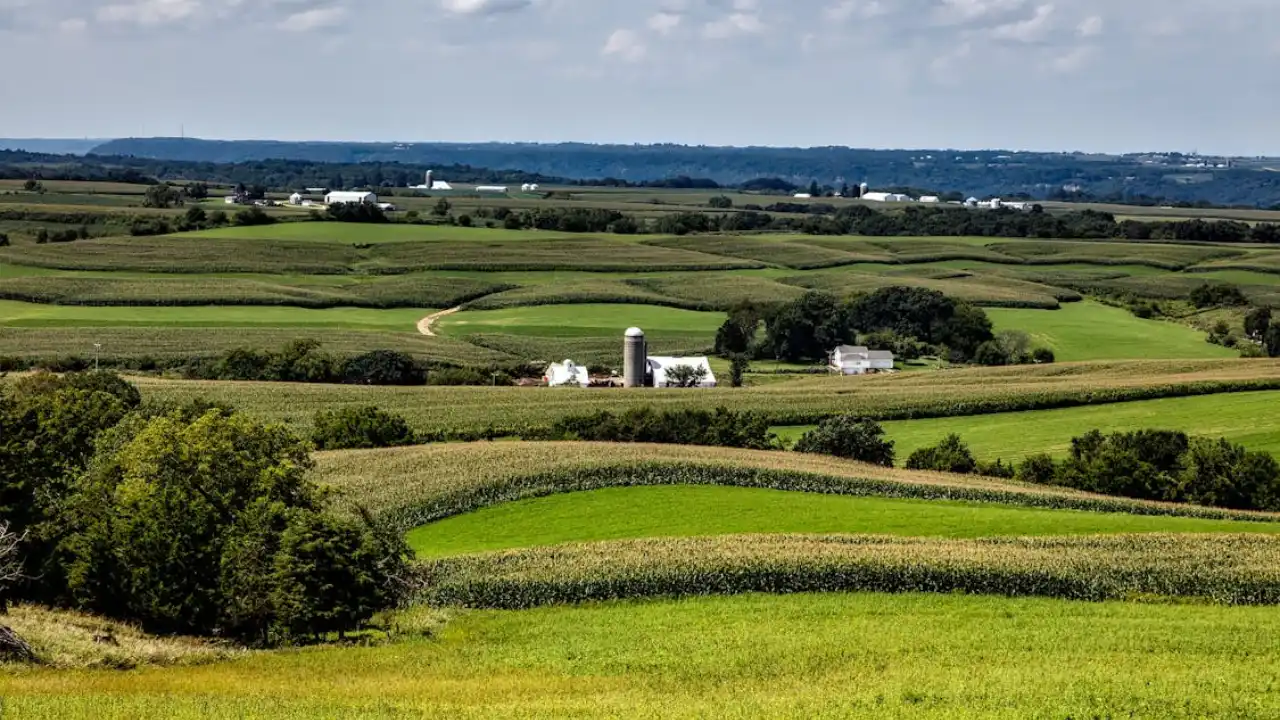
Second, the March 2022 changes created a mandate for the Government to process petitions on a priority basis when the project is based in a qualifying rural area. For regional centers, on the I-952F form, the regional center must indicate whether the project is based on an investment in a rural area.
Most recently, USCIS has announced that effective March 30, 2026, it will generally assign form I-526E petitions for review only after it has made official decision on the related Form I-956F project application. This means project level approval will play a pivotal role when the petitions are reviewed. As such, it will be very important to look for projects with this approval if you want to rely on faster processing.
A key take away is that if you are evaluating a project advertised as rural, you should not stop at the advertised phrase “rural TEA” or “priority processing.” Instead, you should ask more specific questions, including: Has the regional center filed Form I-956F for this project and has it been Approved?
Strategic Foundations: Take the Next Step Toward Your U.S. Residency
The bottom line is that rural EB-5 projects should be approved faster than other projects. This is clear given that they benefit from a reserved visa category and are recognized by USCIS as a priority category. Notwithstanding this, investors should be careful not to oversimplify the issue. The real timing depends on whether the I-956F has been approved, and how USCIS is handling related investor petitions under its current adjudication policy.
Given these shifting regulations, staying informed about critical deadlines is essential. For more detailed information on how these changes impact the upcoming September 30th, 2026 deadline, read our latest EB-5 Regional Center program shutdown update.
Finally, navigating rural EB-5 projects requires a tailored strategy based on these latest regulatory updates, we invite you to schedule a consultation to discuss your specific situation. Alternatively sign up for free webinars to stay ahead of policy shifts, download our free EB-5 guide for detailed overview of the program, or browse our library of EB-5 articles for continued insights on the evolving EB-5 landscape.