As immigration policies evolve, one potential change under the Trump Administration could affect E-2 visa renewals—the possible elimination of the deference policy. This change could make the renewal process more…
One possible change under the Trump Administration could be a decrease in E-2 visa approval rates. Historically, E-2 visa approvals hovered around 80-81% from 2016 to 2020, even when including…
On January 15, U.S. Citizenship and Immigration Services (USCIS) announced updates to its policy manual regarding how it assesses National Interest Waiver (NIW) cases. The new guidance provides additional clarity…
As the U.S. government undergoes administrative changes, visa applicants may face delays in processing times. One potential impact of the Trump Administration on E-2 investor visas is extended wait times…
The O Visa is not a lottery. Unlike the H-1B visa, which has an annual cap and requires applicants to go through a random selection process, the O Visa has…
F-1 visa holders pursuing higher education in the U.S. may wonder whether they can apply for the EB-2 National Interest Waiver (NIW). The answer is technically yes—an F-1 visa holder…
When applying for an E-2 visa, investors must demonstrate that they have made a substantial investment in a U.S. business and that the funds are placed at risk for the…
The H-1B visa is one of the most sought-after employment-based visas in the U.S., allowing foreign professionals to work in specialty occupations. With a limited number of new visas issued…
The EB-5 visa offers foreign investors the opportunity to obtain a U.S. green card by making a substantial investment in a new commercial enterprise. This investment must lead to the…
The L-1 visa does not automatically lead to a green card. However, some L-1 holders may qualify for an EB-1C green card, which has stricter requirements.
A top reason for EB-5 denials is failure to prove a lawful source of funds. Learn why USCIS scrutinizes financial records and how to avoid common pitfalls.
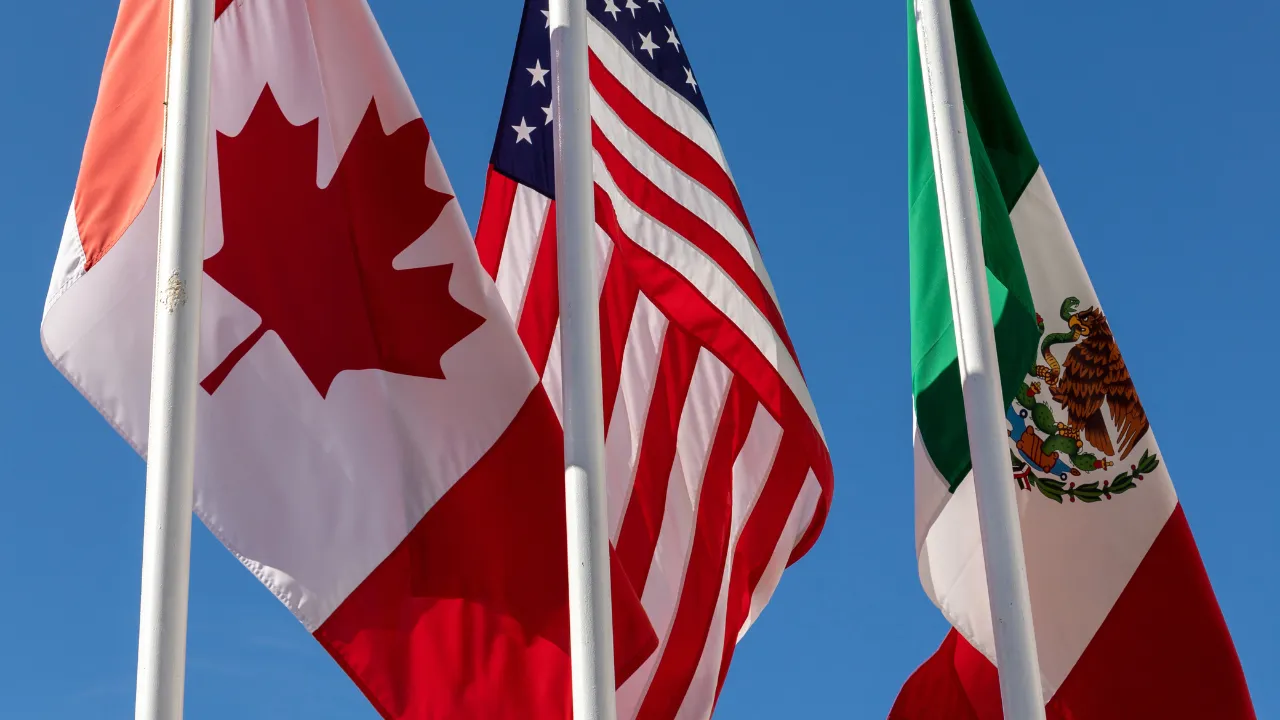
The TN visa offers Canadian and Mexican professionals an efficient route to U.S. employment, with no sponsorship or prevailing wage requirements for employers.
The TN visa is cost-effective for U.S. employers, requiring only a job offer and a support letter, with no sponsorship fees or complex filing requirements.
Learn about potential changes to E-2 visa investment requirements, including increased emphasis on U.S.-based spending under the "Buy American, Hire American" initiative.
The TN visa does not require U.S. employer sponsorship, simplifying the hiring process by eliminating labor market testing and prevailing wage requirements.